
Bicycle Country Pass in Hungary
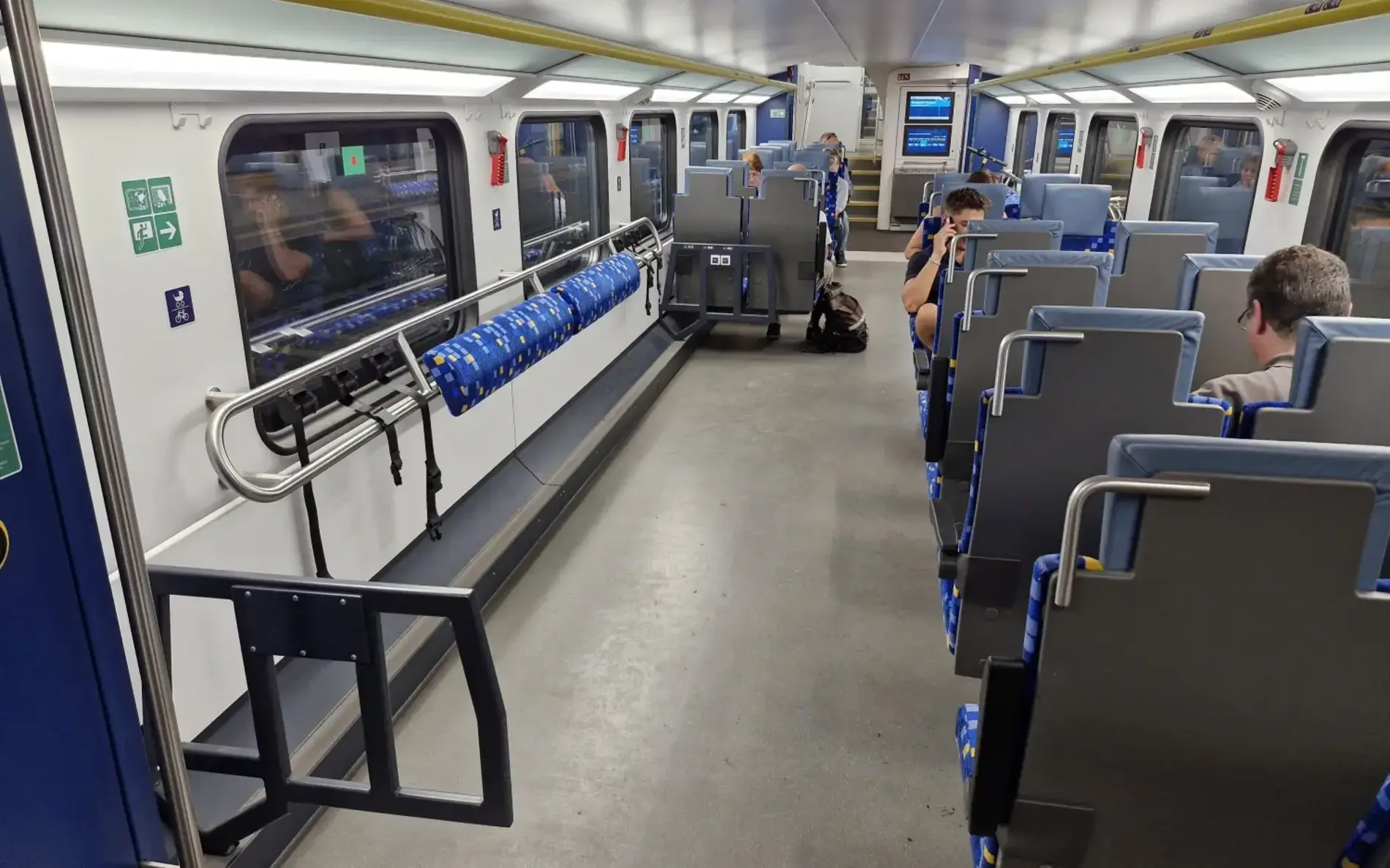
The Bicycle Country Pass allows customers to take their bicycles on any train within the entire country, making it easier to combine cycling with train travel. This pass simplifies the process of bike transport, encourages eco-friendly commuting, and supports multimodal travel.
Affordable Multimodal Mobility with the Bicycle Country Pass
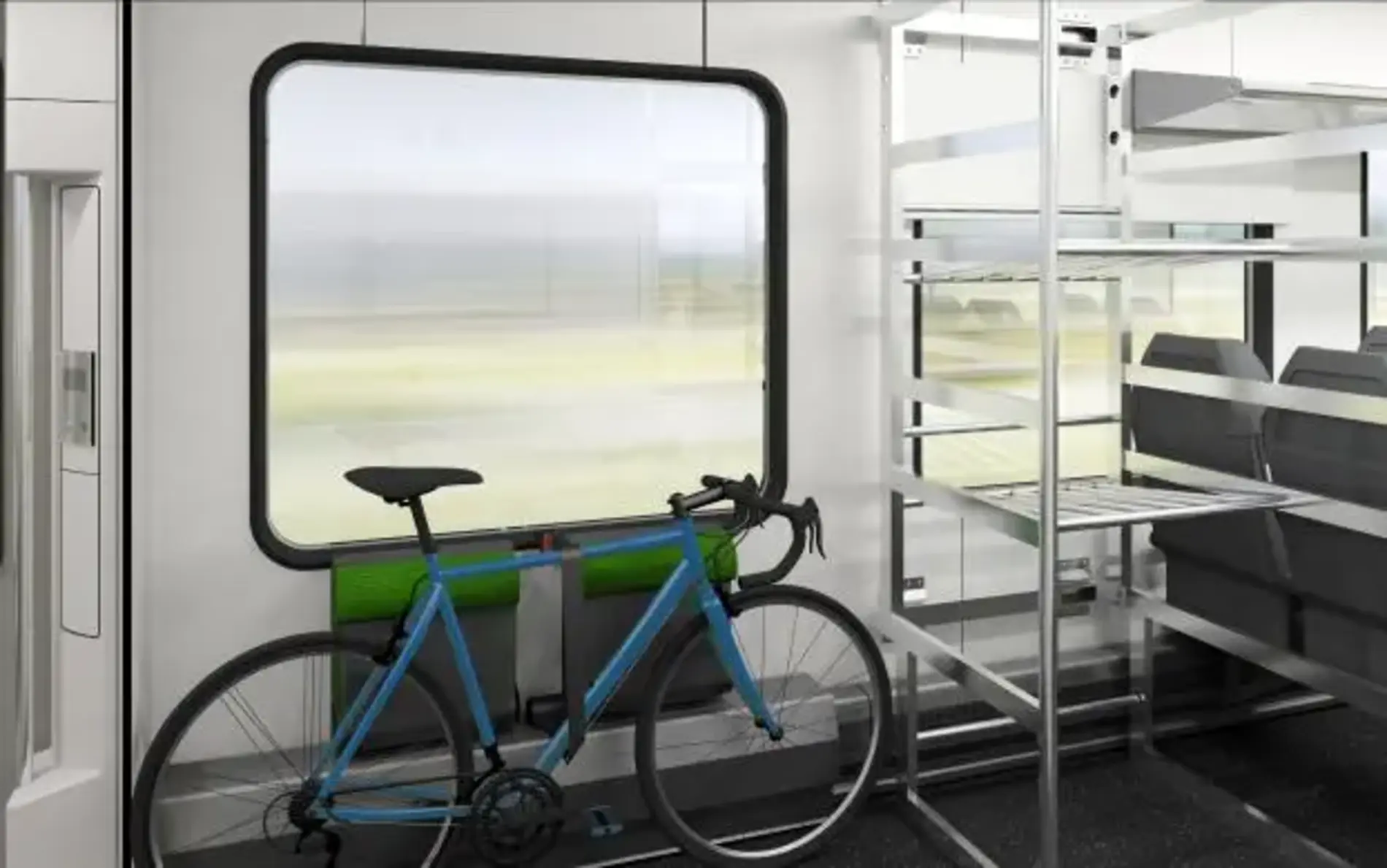
With the Bicycle Country Pass, you can travel freely across Hungary with your bike, as it is valid on MÁV-START trains (including the Szeged–Hódmezővásárhely tram-train), GYSEV routes, the entire MÁV-HÉV network, and select BKK services. Priced at HUF 4,950, the pass is valid for 30 days, offering a convenient and cost-effective way to integrate cycling into longer journeys. For trains that require a reserved bicycle space, passengers must also obtain a separate bicycle seat ticket in addition to the pass. This initiative supports multimodal, sustainable transport by simplifying bike-and-ride travel across the country. It’s a convenient, cost-effective solution that promotes active mobility and reduces car dependency.
The Bicycle Country Pass is a cost-effective option for regular cyclists, as it becomes worthwhile after just 10 individual journeys (or 5 round trips). Ideal for commuters, leisure cyclists, and tourists, the pass offers significant savings compared to purchasing separate bike tickets for each trip. It encourages the use of bicycles alongside public transport, making sustainable travel more accessible and affordable.
The Bicycle Country Pass, while promoting greater use of bike transport, can also lead to challenges such as exceeding the available bicycle transport capacity on certain routes, especially during peak times or in popular cycling regions. Additionally, it may complicate accurate tracking of demand, since the flat-rate nature of the pass makes it harder to monitor individual trip patterns and plan capacity adjustments accordingly.
Learn more


The project Active2Public Transport is supported by the Interreg Danube Region Programme project co-funded by the European Union. The project was initiated by the Austrian Federal Ministry of Innovation, Mobility and Infrastructure (BMIMI), Department II/6 in cooperation with klimaaktiv mobil – the Austrian Federal climate protection initiative on sustainable mobility.