
Efficient design of multi-purpose interior spaces in trains
3D visualization in GYSEV’s Stadler InterCity project ensured accurate spatial planning, ergonomic seating, and aesthetic harmony while revealing technical conflicts early. It improved stakeholder communication, reduced possible redesign time risks, and kept the project on schedule, resulting in safe, comfortable, and passenger friendly train interiors.
The Seasonal Dilemma: High Summer Bike Demand vs. Winter Seating Needs
According to GYSEV’s experience, the available bicycle spaces in electric multiple units are insufficient during the spring, summer, and autumn tourist seasons. At these times, many passengers combine train travel with cycling, especially in regions popular for leisure and cross-border tourism. The limited capacity often leads to overcrowding, frustration, and even passengers being unable to board with their bikes.
However, increasing bicycle capacity would create a different challenge in winter. When far fewer travelers use bicycles, the extra storage areas would remain empty, while the reduced number of seats would negatively affect passenger comfort. Thus, GYSEV faces a seasonal dilemma: balancing the high demand for bike transport in warmer months with the need to preserve seating capacity during the quieter winter period.
Modular Seating and Bicycle Racks: GYSEV’s Response to Seasonal Tourism Demand
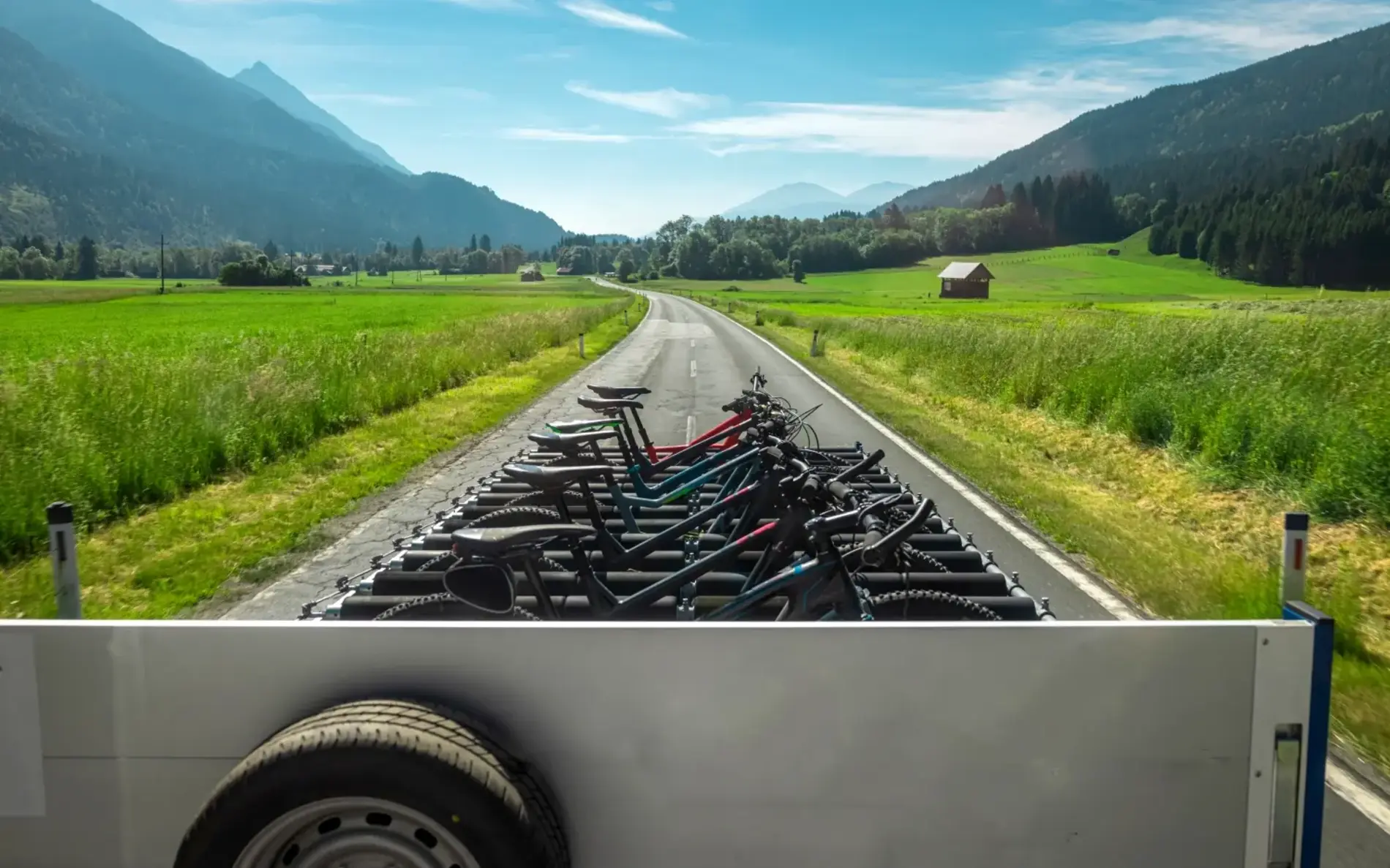
GYSEV and the train manufacturer Stadler has introduced an innovative solution to balance seasonal passenger needs in GYSEV’s new intercity multiple units. The solution is that each new train will be equipped with 26 easily removable seats, with only 2 bicycle racks. During peak cycling months, these seats and racks can be replaced with modular racks that accommodate up to 14 bicycles, significantly increasing transport capacity for bike tourists. In winter, when bicycle demand drops, the racks can be removed and the seats reinstalled, ensuring optimal passenger comfort.
By designing flexible interiors, GYSEV achieves dual goals: maximizing bike transport during high-demand periods and preserving seating in low-demand seasons. Implementation is straightforward, relying on modular fittings and trained staff to adapt the configuration quickly and efficiently.
Proven Success and Implementation Challenges of Flexible Train Designs
This practice is considered good because flexible seating and bicycle storage solutions have already proven successful in other European rail networks. Operators that introduced modular interiors reported measurable benefits: summer services could carry significantly more bicycles reducing denied boarding cases and improving tourist satisfaction, while in winter the restored seats ensured passenger comfort. Surveys showed higher customer approval ratings and more balanced use of train capacity across seasons. These positive outcomes demonstrate that GYSEV’s forthcoming implementation is based on tested, effective practice.
During implementation, one difficulty was identifying the optimal location for removable seats and bicycle racks within the train and the coach to ensure both accessibility and safety. Another challenge was determining the right balance of variable capacity: too few racks would not meet peak demand, while too many would reduce seating comfort in off-season. The lesson learned is that careful planning and flexible design are essential to adapt capacity effectively across different travel periods.
Why This Practice Matters for Operators Managing Seasonal Bicycle Demand
This practice is highly relevant for other railway companies and operators seeking to adapt rolling stock capacity to fluctuating seasonal demands. Many networks experience a similar pattern: strong demand for bicycle transport during spring and summer, contrasted with minimal use in winter. GYSEV’s approach—using removable seats and modular bicycle racks—offers a cost-effective and operationally simple method to balance these competing needs without requiring dedicated seasonal trainsets. By enabling additional bicycle capacity in tourism peaks and restoring seats during low-demand periods, operators can avoid wasted space while maintaining high passenger comfort year-round.
Key transferable elements include careful interior layout planning, the use of modular fittings, and training staff to perform quick reconfigurations. The practice also supports wider European objectives for sustainable mobility and multimodal travel, particularly in regions promoting eco-tourism. Its strength lies in its versatility: the concept can be applied to various train types, delivering measurable improvements in customer satisfaction, operational flexibility, and resource efficiency.
Learn more


The project Active2Public Transport is supported by the Interreg Danube Region Programme project co-funded by the European Union. The project was initiated by the Austrian Federal Ministry of Innovation, Mobility and Infrastructure (BMIMI), Department II/6 in cooperation with klimaaktiv mobil – the Austrian Federal climate protection initiative on sustainable mobility.