
Accessibility
Providing accessible public transport hubs is one of the keys to linking active and public transportation. Well-designed, inclusive hubs make it easier to switch between walking, cycling, and transit, encouraging sustainable travel, reducing congestion and emissions, and ensuring mobility for everyone in the community.
Public transport station and platform accessibility
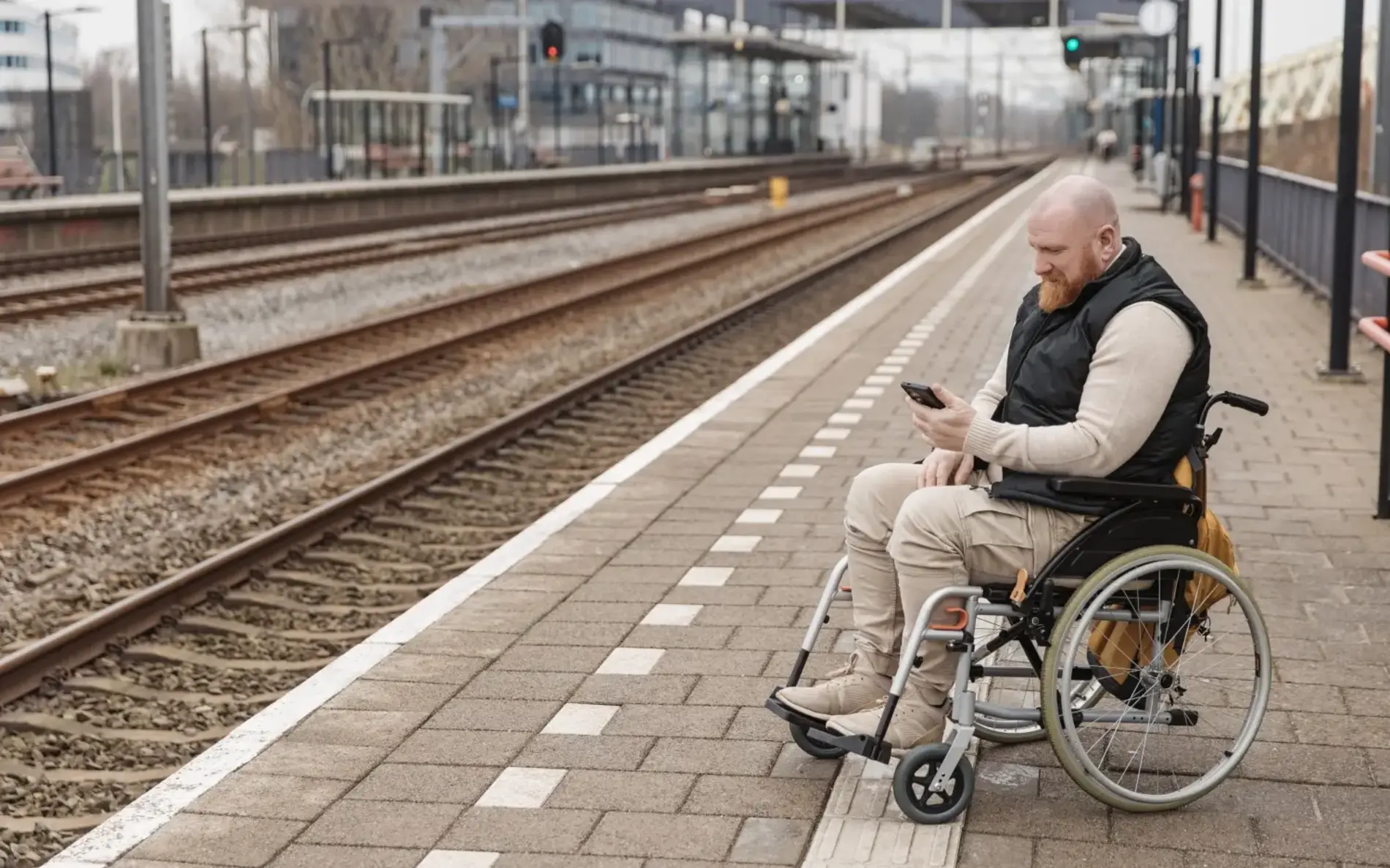
Public transport station and platform accessibility plays a crucial role in creating inclusive, efficient, and sustainable mobility systems. Stations designed with features such as ramps, elevators, tactile paving, and clear visual and audio information ensure that everyone—including people with disabilities, older adults, and parents with strollers—can travel independently and confidently. Accessibility removes barriers, promotes equality, and makes public transportation a viable option for a much wider group of people. It also enhances comfort and safety for all passengers, encouraging more frequent use of public transit instead of private cars.
Furthermore, accessible stations and platforms are key to strengthening the connection between active and public transportation. When facilities are designed to accommodate cyclists and pedestrians—through features like dedicated cycle lanes to the station, ramps and elevators, clear signage of the cyclist flow, and safe rail track crossings—users can easily combine walking or cycling with bus, tram, or train travel. This seamless integration supports multimodal journeys, reduces congestion and emissions, and promotes healthier, more sustainable lifestyles. Investing in accessibility therefore contributes not only to social inclusion but also to building greener and more connected urban mobility networks.

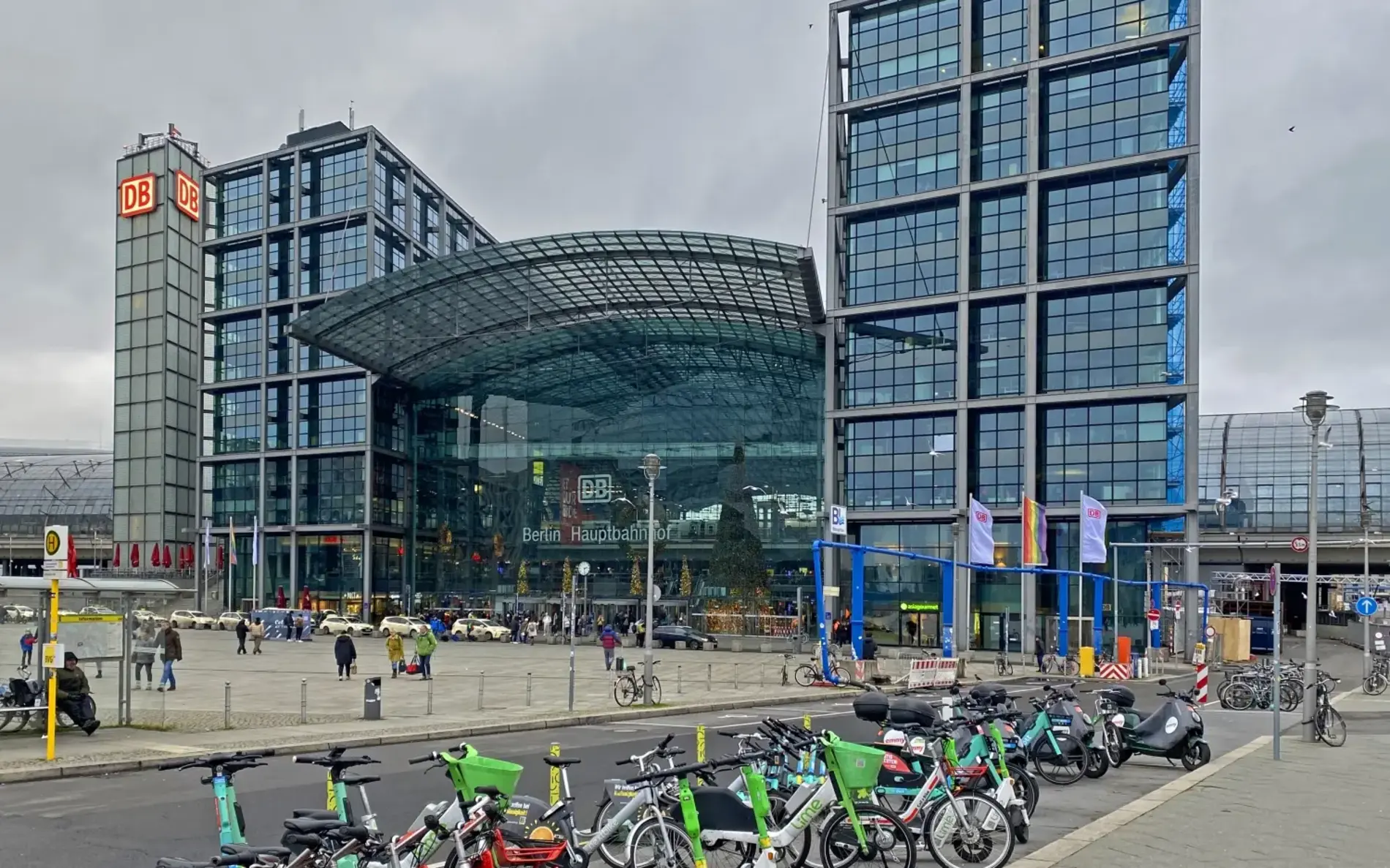
Berlin’s main train station
Berlin’s main train station is a modern multi-level station designed with easy bike access in mind. The station has large elevators suitable for cyclists. Staircases are equipped with bike channels, making it easy to push bikes up or down.
Safety measures and inclusion
Safety measures and inclusion at public transport hubs are essential for creating welcoming, efficient, and sustainable mobility systems. Well-designed public transport hubs should provide secure, well-lit, and clearly signposted spaces where all users—regardless of age, gender, or ability—feel safe and comfortable. Features such as CCTV surveillance, emergency call points, and visible staff presence help prevent crime and build trust among passengers. Inclusive design elements like tactile guidance for visually impaired users, audible announcements, elevators, and step-free access ensure that everyone can move independently within the hub. By prioritizing safety and inclusion, public transport becomes a more attractive, equitable, and reliable choice for daily travel.
At the same time, these safety and inclusion measures are vital for strengthening the connection between active and public transportation. Cyclists and pedestrians are more likely to use PT hubs when they feel safe accessing and navigating them. Features such as well-marked cycling routes, protected crossings, secure bike parking, and separate pathways for pedestrians and vehicles reduce conflicts and accidents. Safe, inclusive environments encourage people to walk or cycle to public transport instead of relying on private cars, fostering healthier, low-carbon mobility habits. In this way, public transpot hubs designed with safety and inclusion at their core play a key role in creating integrated, sustainable, and people-centered transport networks.

Bahnhof.de and its Accessible Travel Navigator
Accessibility in public transportation is crucial for ensuring that all individuals, including those with disabilities, can travel independently and participate fully in society. Deutsche Bahn (DB) has taken significant steps to address accessibility challenges. Through their website bahnhof.de, DB provides detailed information on the accessibility features of individual stations and platforms.

The project Active2Public Transport is supported by the Interreg Danube Region Programme project co-funded by the European Union. The project was initiated by the Austrian Federal Ministry of Innovation, Mobility and Infrastructure (BMIMI), Department II/6 in cooperation with klimaaktiv mobil – the Austrian Federal climate protection initiative on sustainable mobility.