
Ticketing and Fares
Providing fair and attractive pricing is essential to make sustainable mobility more appealing. Integrated ticketing and flexible fare systems help travellers combine public transport with cycling or walking easily, affordably, and with greater convenience.
Ticketing, fare integration
Providing fair, transparent, and attractive pricing structures is a central factor in shifting travel behaviour toward sustainable mobility. When ticketing systems are fragmented, mode-specific, or overly complex, they create friction that discourages multimodal journeys. Integrated ticketing frameworks, like unified smart cards, mobile ticketing platforms, or account-based systems often reduce these barriers by allowing users to access multiple transport modes within a single fare ecosystem. By aligning fare policies across operators and modes, transport authorities can eliminate transfer penalties and ensure that combining public transport with cycling or walking is financially competitive with private car use.
Fare integration becomes particularly effective when it explicitly incorporates active mobility. This can include bundled subscriptions that combine public transport passes with bike-sharing access, discounted fares for first- and last-mile cycling connections, or time-based tickets that enable seamless transfers between modes. Flexible pricing models, such as mobility-as-a-service (MaaS) packages, daily fare caps, or pay-as-you-go systems further enhance convenience and predictability for users. By embedding active travel options within public transport fare structures, cities and operators create a coherent, user-oriented mobility ecosystem that supports behavioural change, increases system efficiency, and advances broader climate and public health objectives.
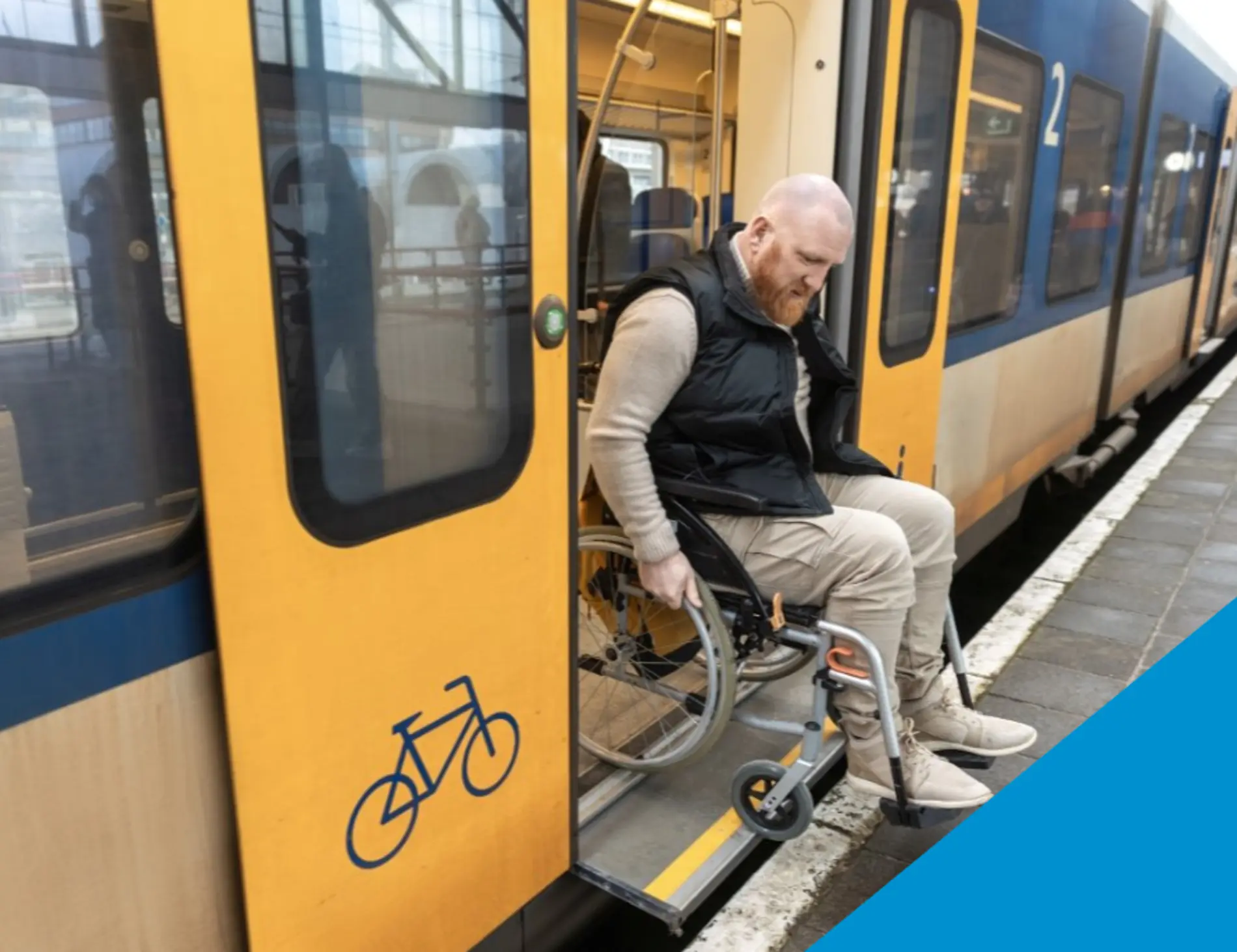
To further support seamless multimodal travel, folding bicycles should be carried free of charge. Dismantled and properly bagged bicycles that comply with realistic and generous luggage dimensions should also fall under standard luggage provisions. These measures remove unnecessary barriers, provide legal clarity for passengers, and encourage combined bike–rail journeys.

Pilot Action
Mobility lab for testing bike carriage solutions for regional buses
Integrated Bike + Public Transport Ticket in Bratislava
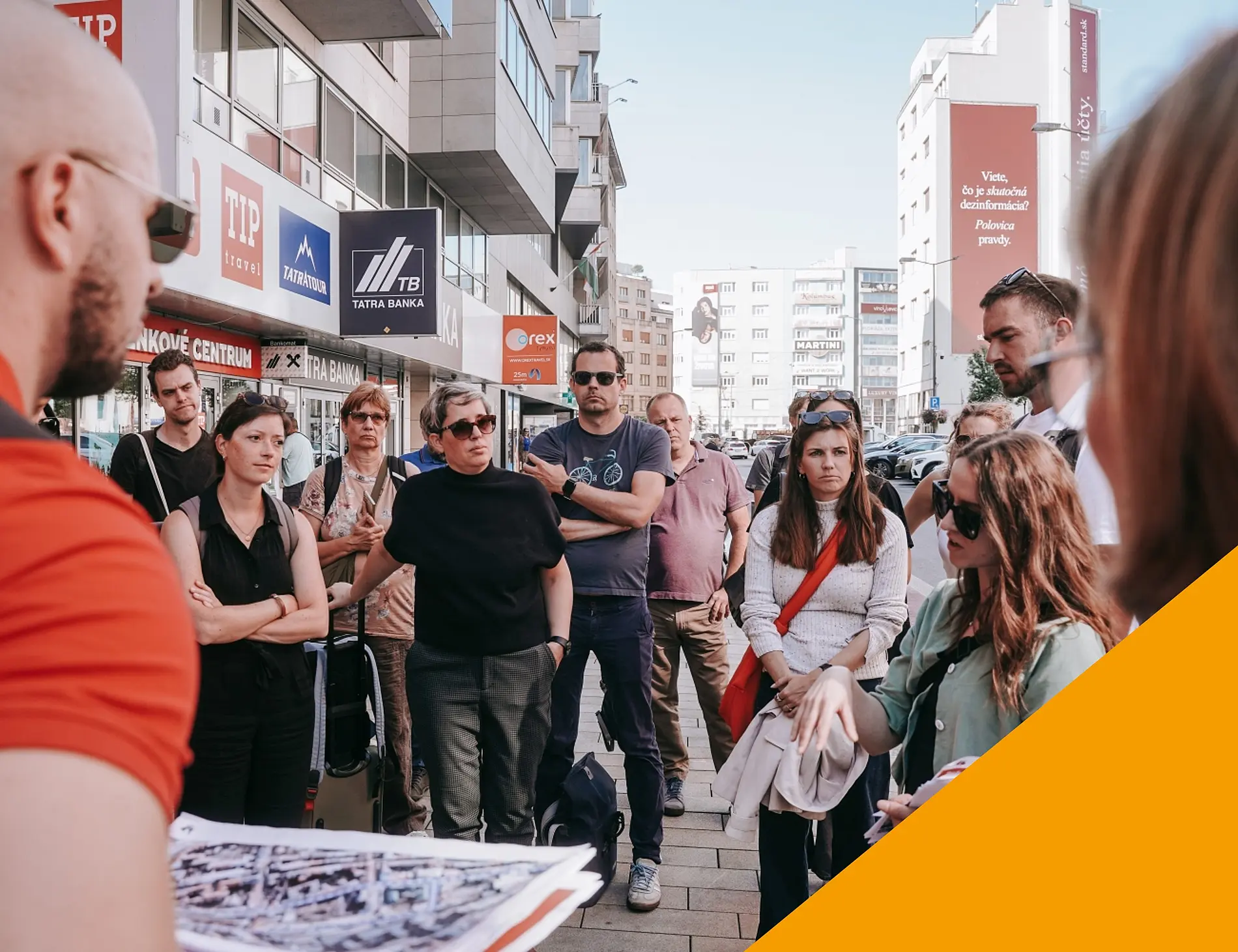
What if one ticket could change the way you travel? On cross-border line 901 between Bratislava (Slovakia) and Hainburg an der Donau (Austria), passengers can now combine public transport and free bike transport. A simple idea with a big impact on sustainable mobility.

Good Practice
Bicycle Hungary Pass – unlimited travel with a fair price
The Bicycle Hungary Pass gives cyclists the freedom to travel with their bicycles on trains anywhere across the country. With unlimited bicycle transport on all domestic trains, it becomes easier than ever to combine train journeys with cycling adventures. Designed to simplify bike travel, the pass removes the hassle of separate tickets and offers great value for a fair price. Whether you’re commuting, exploring new regions, or planning a cycling getaway, the Bicycle Hungary Pass supports sustainable, flexible, and multimodal travel across Hungary.
Learn more


The project Active2Public Transport is supported by the Interreg Danube Region Programme project co-funded by the European Union. The project was initiated by the Austrian Federal Ministry of Innovation, Mobility and Infrastructure (BMIMI), Department II/6 in cooperation with klimaaktiv mobil – the Austrian Federal climate protection initiative on sustainable mobility.