
Not Without My Bike
The need to combine bikes with PT
Hamburg has a strong cycling culture, but many longer trips still require public transport. The need to easily combine bike and transit motivated the creation of a tool that shows routes where bicycles are allowed on public transport.
App integrates cycling and transit routes
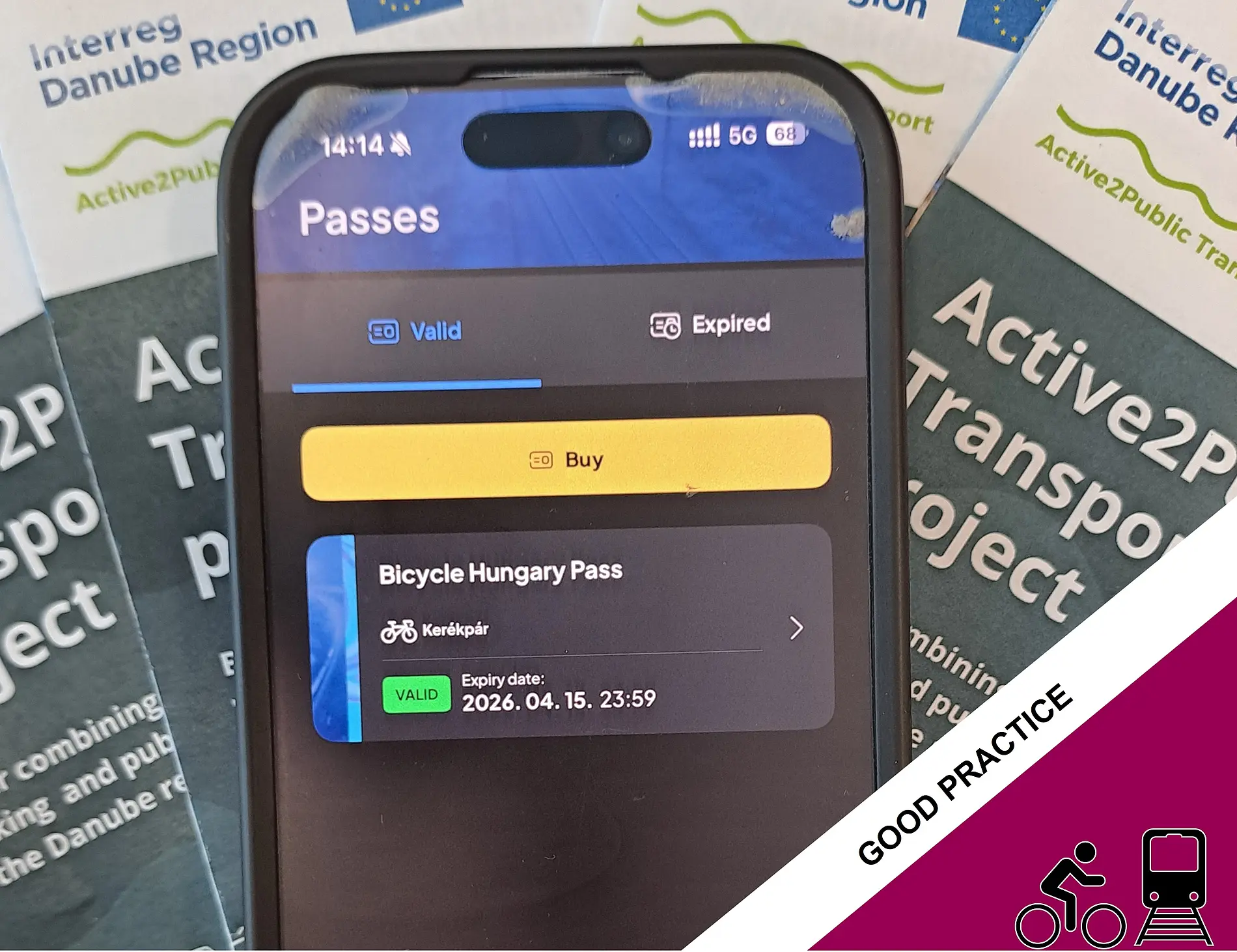
The app integrates public transport data and cycling routes into one journey planner, allowing users to adjust their trip depending on how much they want to cycle and where bikes are permitted on transit.
Helps users find smart bike-transit routes
The app demonstrates how open data and simple digital tools can make multimodal travel more accessible, helping cyclists discover routes that combine active mobility with public transport more efficiently.
Better trips through bike-transit planning
Digital tools like this app show that improving first- and last-mile connectivity doesn’t always require new infrastructure. Sometimes smarter information and trip planning can significantly expand sustainable mobility options.
Challenge addressed: The need to combine bikes with public transport
In cities like Hamburg, many residents regularly cycle, but longer journeys often require public transport. However, planning trips that combine bikes with buses, trains, or ferries can be complicated, especially when restrictions apply to carrying bicycles. This challenge created the need for a simple digital tool that helps users easily identify routes where cycling and public transport can work together.
Solution implemented: App integrates cycling and transit routes
The app was developed by Trufi Association as a journey-planning tool tailored to the mobility ecosystem of Hamburg. It integrates public transport data with cycling routes, allowing users to plan multimodal trips based on their preferences. The app highlights routes where bicycles are allowed on transit and helps users decide when to ride and when to take public transport.

Results achieved: Helps users find smart bike-transit routes
The app was implemented by integrating cycling and public transport data to guide multimodal trips, enabling riders to find safe, efficient routes through Hamburg. It improved A2PT services by supporting first- and last-mile connections, enhancing accessibility to transit stops, and providing consistent multimodal information across platforms. It is considered good practice because it supports safe, direct cycling access to transit; improves station legibility and multimodal connections; delivers clear, multimodal travel info; ensures smooth bike integration into services; uses open data and standards to enable coordinated, safe multimodal journeys; the app is human-centred, legible design for seamless cycling-transit interface; provides evidence on multimodal usage and accessibility patterns and encourages safe, active, and responsible multimodal travel.
Lessons learned: Better trips through bike-transit planning
Implementing a digital tool that seamlessly integrates cycling with public transport shows that multimodal connectivity can be significantly improved without major new infrastructure. Digital, multimodal journey planning is a cost-effective way to increase cycling + transit use, strengthen first- and last-mile connections, and promote sustainable urban mobility—especially when co-designed with local stakeholders and tailored to regional needs.

Learn more



The project Active2Public Transport is supported by the Interreg Danube Region Programme project co-funded by the European Union. The project was initiated by the Austrian Federal Ministry of Innovation, Mobility and Infrastructure (BMIMI), Department II/6 in cooperation with klimaaktiv mobil – the Austrian Federal climate protection initiative on sustainable mobility.