
Additional Services
Providing services at stations and on board—such as secure bike parking, rental options, luggage storage, and clear information—supports active mobility by making first- and last-mile connections easier, safer, and more convenient, encouraging more people to combine walking, or cycling with public transport.
Services for active mode users at stations
Stations are key points for supporting active mobility, providing essential services that make combining walking or cycling with public transport easier and safer. Besides the previously described secure bike parking, other services like lockers, repair stations and charging options for e-bikes would encourage cyclists to use public transport without worrying about theft or maintenance issues. Clear signage, well-designed pedestrian paths, weather-protected waiting area at the platform, and accessible entrances help users navigate the station efficiently, reducing barriers for those arriving on foot.
Additional services, such as bike rental and repair points, self-service bike repair stations with air pump and basic tools, safe luggage and helmet storage, vending machines with foods or bike accessories and local suppliers like bakery, post office or restaurants, enhance convenience and safety while improve the overall journey experience. By offering these facilities, stations promote multi-modal travel, increase ridership, and support sustainable and healthy mobility habits. Well-equipped stations not only serve as transit hubs but also as active mobility enablers, making it easier for people to choose low-carbon, integrated transport options.

Good Practice
Bike vending machine helps you out of a jam
Cyclists often need accessories such as rain ponchos, flashlights, or inner tubes unexpectedly. While regular stores can be costly, vending machines offer a 24/7 solution by selling bike lights, repair kits, and inner tubes. This is a very cost-effective way to get parts and accessories to cyclists who need them.

Good Practice
A2PT Checklist for PT stations and surrounding
A seamless integration of cycling, walking, and public transport is crucial for sustainable mobility. Many public transport stations have deficiencies in their connections to cyclists and pedestrians, or in the station's own facilities. The checklist developed in the A2PT project enables a structured assessment of the need for improvement in order to implement targeted measures.
On board services for active mode users
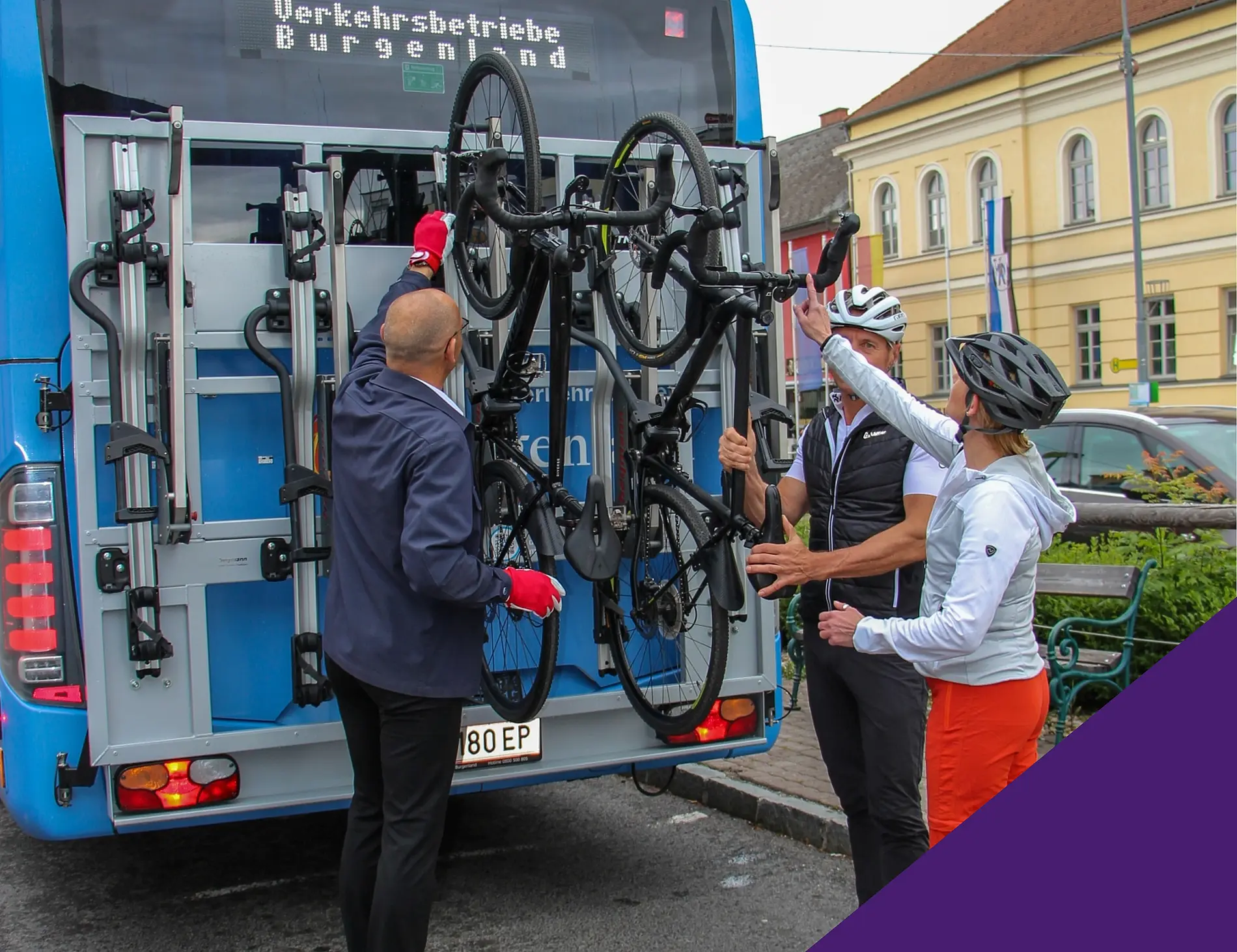
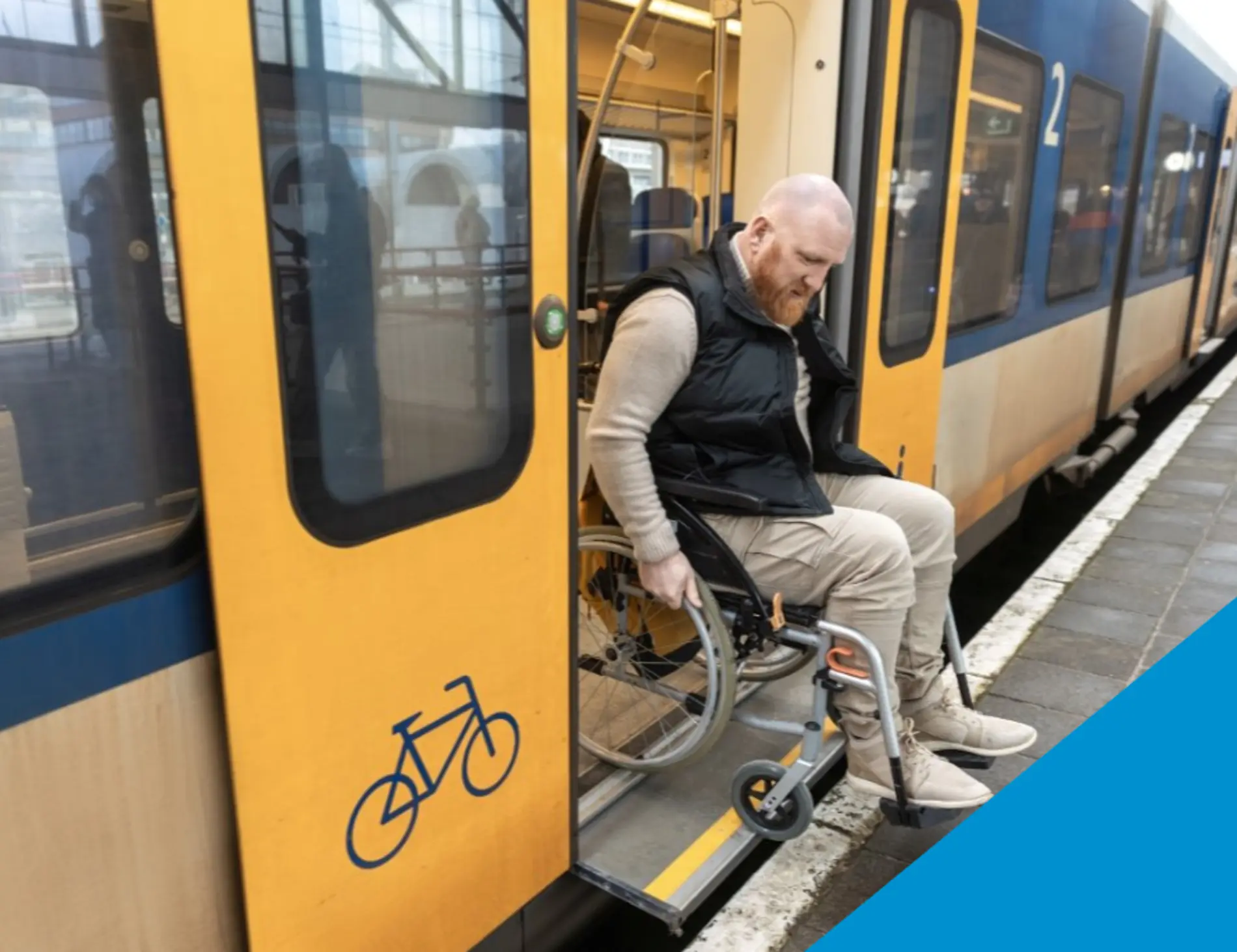
On-board services also play an important role in supporting active mobility by ensuring that cyclists and pedestrians can continue their journey seamlessly once they board public transport. Special parts of the vehicles such as dedicated bike racks, foldable bike spaces, and priority seating for those with mobility aids or strollers make it easier for active travellers to use trains, buses, or trams without inconvenience. Clear instructions and signage on how to store or secure bikes safely help reduce conflicts and improve the overall travel experience.
Additional on-board features, including real-time travel information, Wi-Fi, and space for personal belongings, further enhance convenience for active mode users. By providing these services, transport operators make multi-modal journeys more attractive, reduce barriers to combining active travel with public transport, and encourage more sustainable, healthy commuting habits. Well-designed on-board amenities complement station services, creating a seamless and user-friendly environment for all travellers.

Good Practice
E-bike charging on Italian regional trains
On certain Italian trains equipped with bike carriages, passengers can charge their e-bike batteries during the journey, provided they follow safety regulations. This convenient feature supports e-bike users, encourages eco-friendly travel, and makes combining long-distance cycling with rail transport easier and more practical.

Good Practice
Bike point at the railway station of Ghent
At Gent-Sint-Pieters railway station, the Bike Point is a one-stop hub for cyclists on the move. Open daily from 7:00 to 19:00, it keeps journeys smooth with on-the-spot repairs, easy bike rentals, and free tire inflation. Whether commuting or exploring, it supports seamless connections between train and bike.
Learn more


The project Active2Public Transport is supported by the Interreg Danube Region Programme project co-funded by the European Union. The project was initiated by the Austrian Federal Ministry of Innovation, Mobility and Infrastructure (BMIMI), Department II/6 in cooperation with klimaaktiv mobil – the Austrian Federal climate protection initiative on sustainable mobility.