Active2Public Transport Toolbox

© Danube Region Programme

EU Interreg Danube Region project to better combine cycling, walking and public transport

„Are you looking for ways to improve the connection between active and public transportation? This toolbox brings together expert inspiration, international good practices, guiding principles, and insights from real-world pilot projects.”

© Barta Gergely Bálint

Fields of Action

The Active2Public Transport (A2PT) partnership identifies ten fields of action to better connect active mobility with public transport. These action fields are based on European and global good practices, pilot activities, and study visits.

Focus on Infrastructure

It provides the physical conditions that make walking, cycling, and public transport possible, including safe walking and cycling routes, accessible stations, bicycle parking, support services, and bicycle carriage facilities.
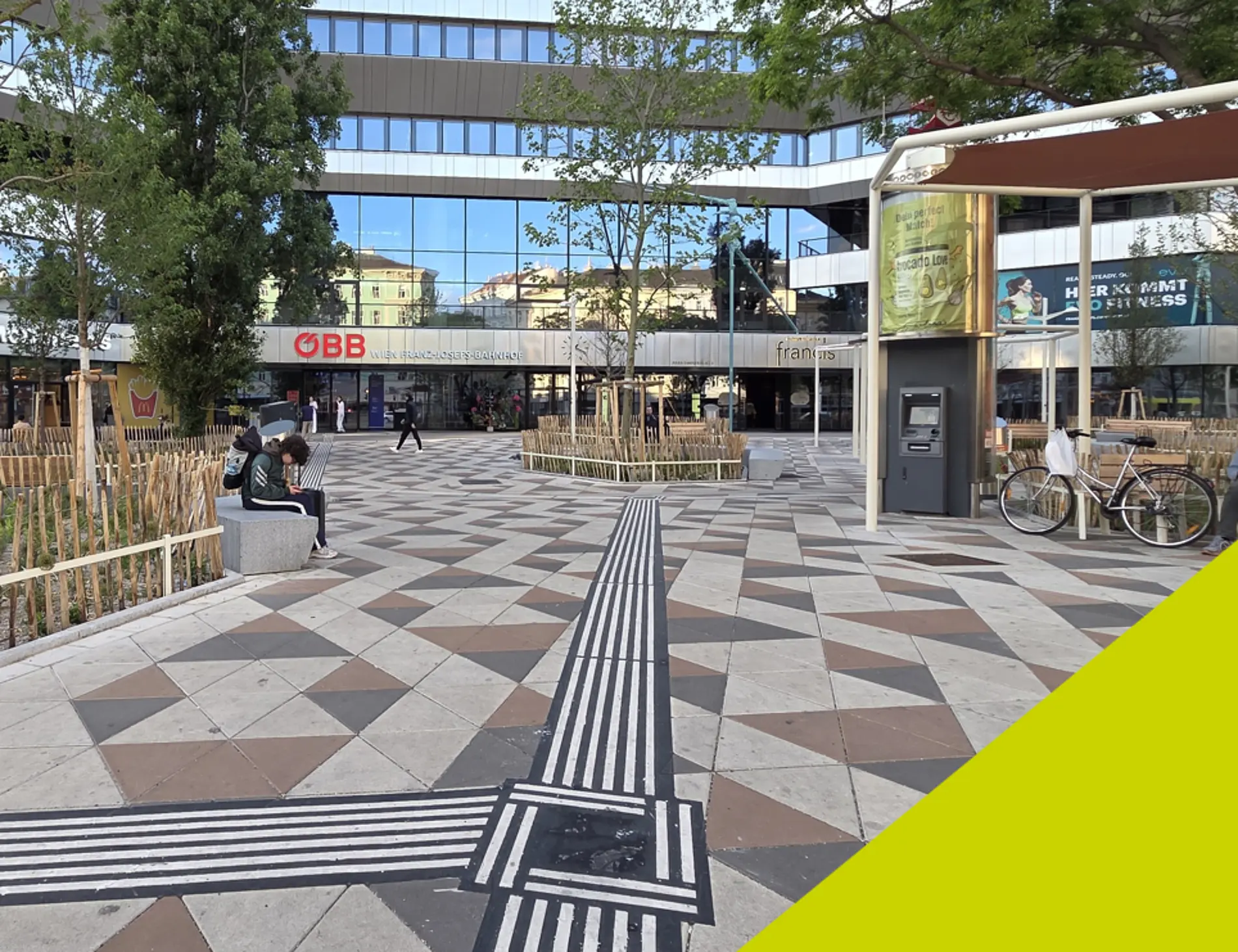
Public forecourt (catchment area) at a Train Station in Vienna with patterned paving, tactile guidance lines, trees, and a modern glass building with “ÖBB” signage; a few people are sitting and walking, with shops and a bicycle visible. © Irene Bittner

Catchment Areas of Stops and Stations

Providing an inviting catchment area around public transport stations make walking and cycling to stops and station the easier choice. Learn more.
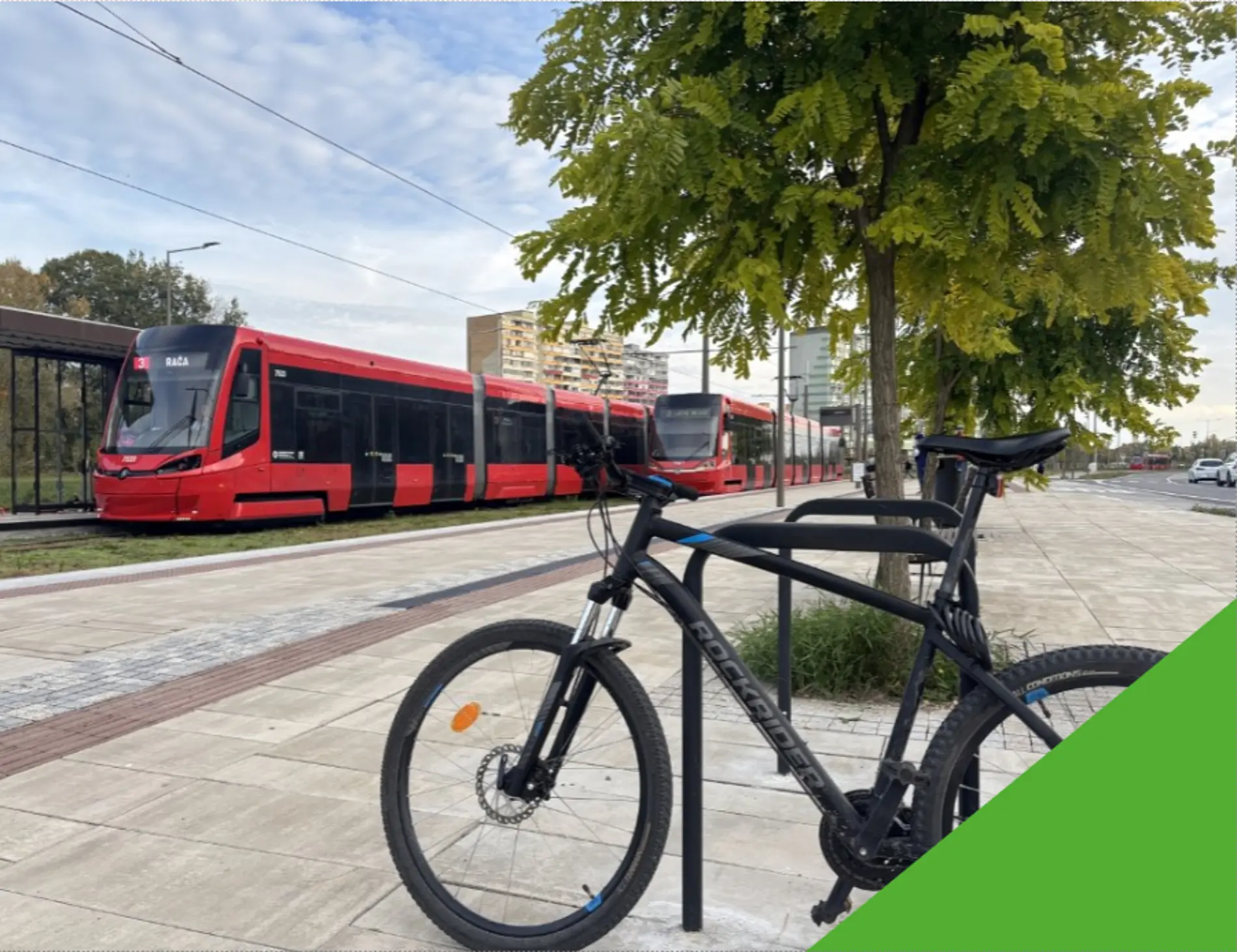
A black bicycle is locked to a metal stand near a tree on a paved sidewalk. In the background, a long red tram is stopped on tracks, with apartment buildings and greenery visible under a partly cloudy sky. © Šimon Juřík

Bike Parking and Sharing at Stations

Sufficient bike parking and sharing options at public transport hubs help to create seamless connections between cycling and public transport.
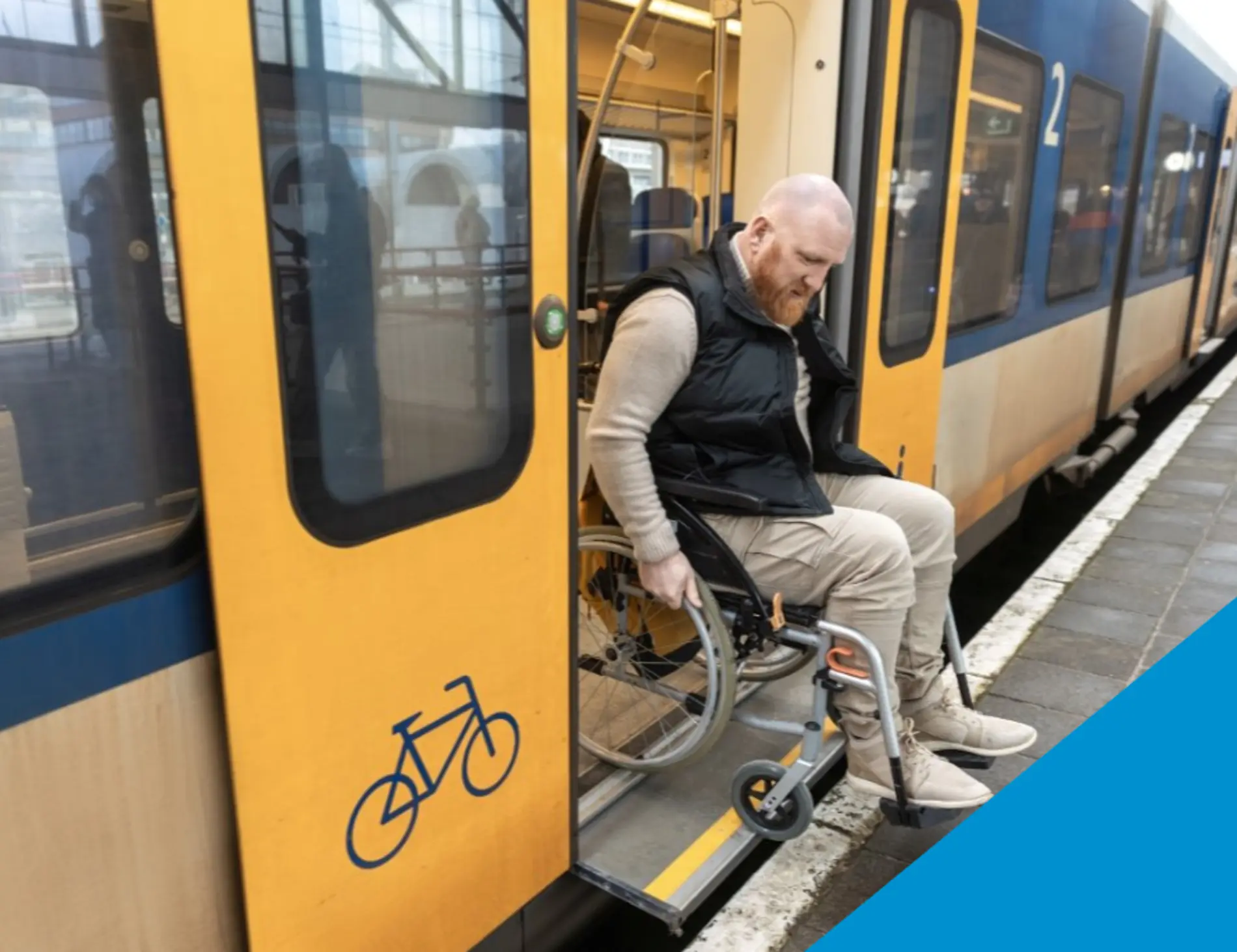
A man rolls off the train onto the platform in his wheelchair © istock.com/Lorado

Accessibility

Providing accessible public transport hubs is one of the keys to linking active and public transportation. Well-designed, inclusive hubs make it easier to interchange between bus, trams and trains combined with walking and cycling. Learn more.
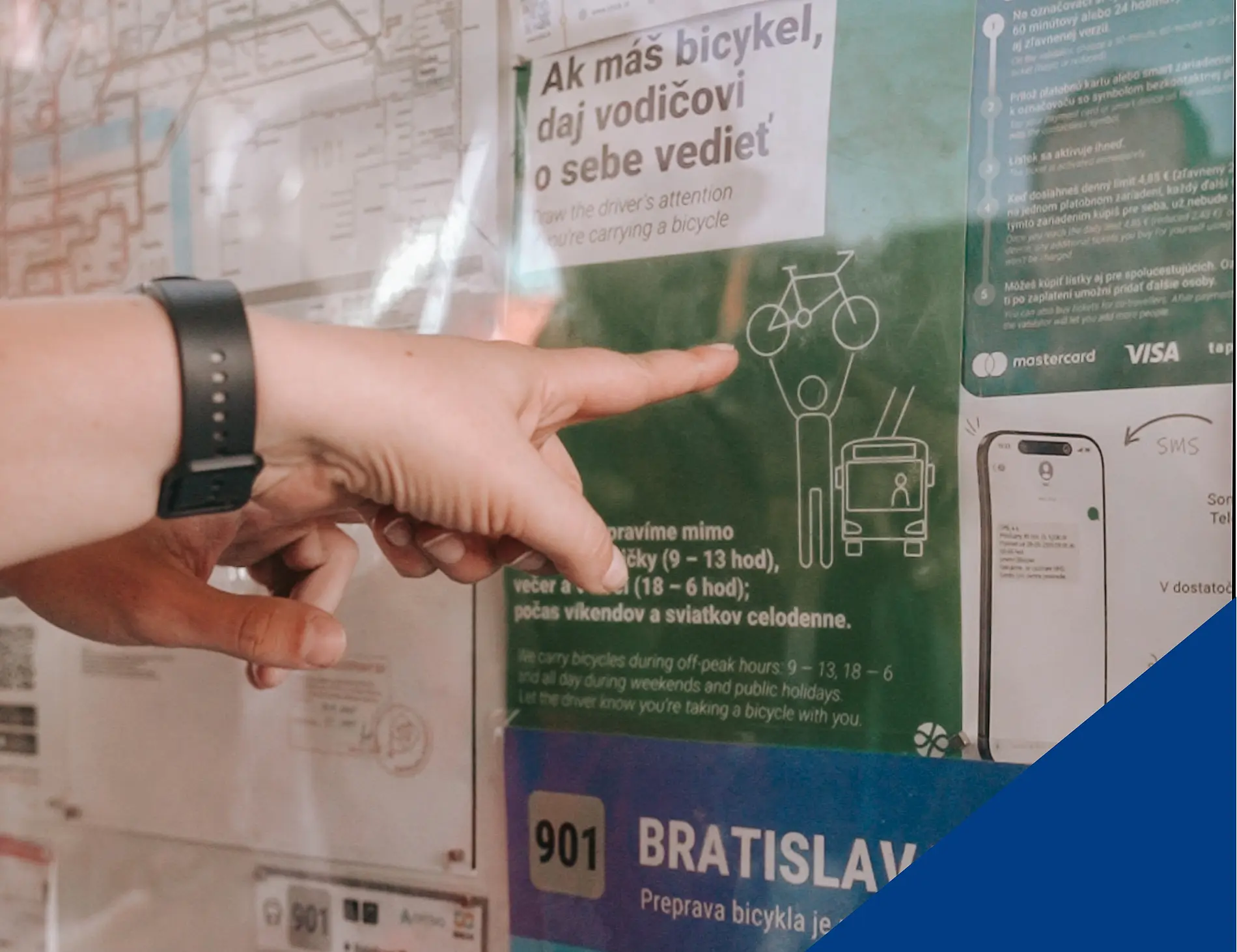
© Veronika Vozárová, BID

Additional Services

Providing services at stations and on board—such as secure bike parking, rental options, luggage storage, and clear information—supports active mobility by making first- and last-mile connections easier and safer. Learn more.
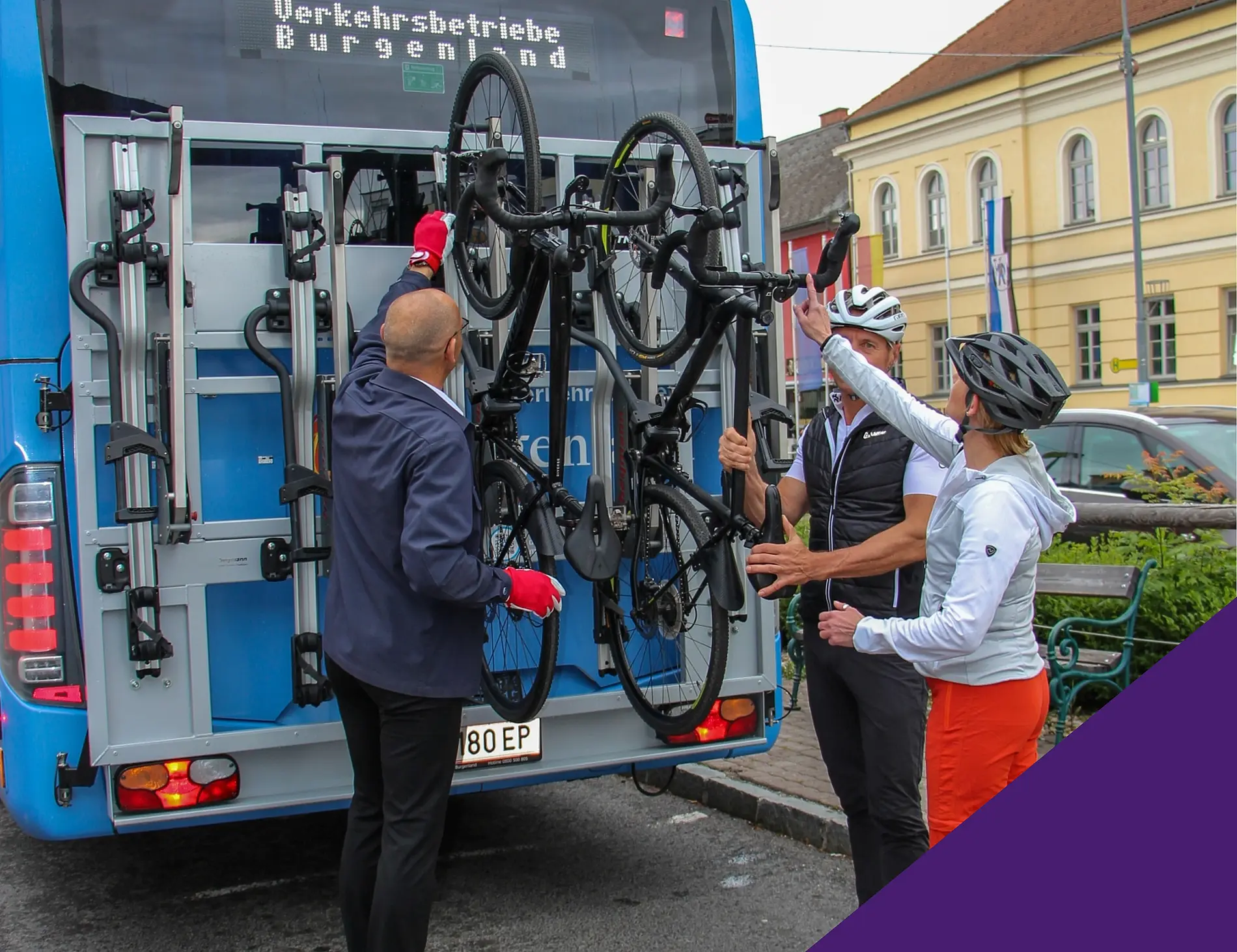
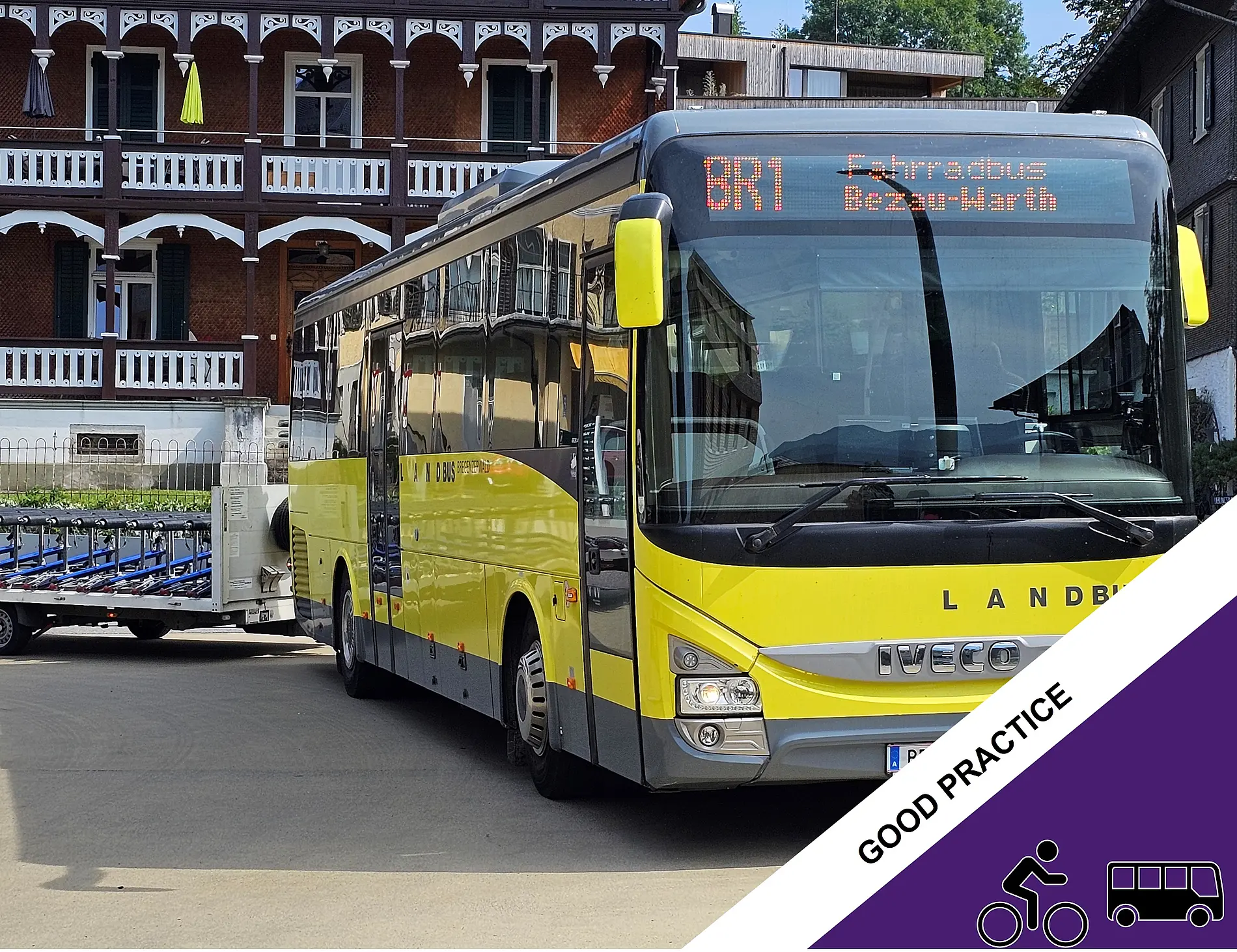
© Business Agency Burgenland

Managing Bike Carriage and Transport

Providing suitable vehicles and managing capacity is key to connecting active and public transport.

Focus on People

It creates awareness, builds trust, and encourages behavioural change through campaigns, education, cooperation, and information, helping people choose walking, cycling, and public transport in their daily lives.
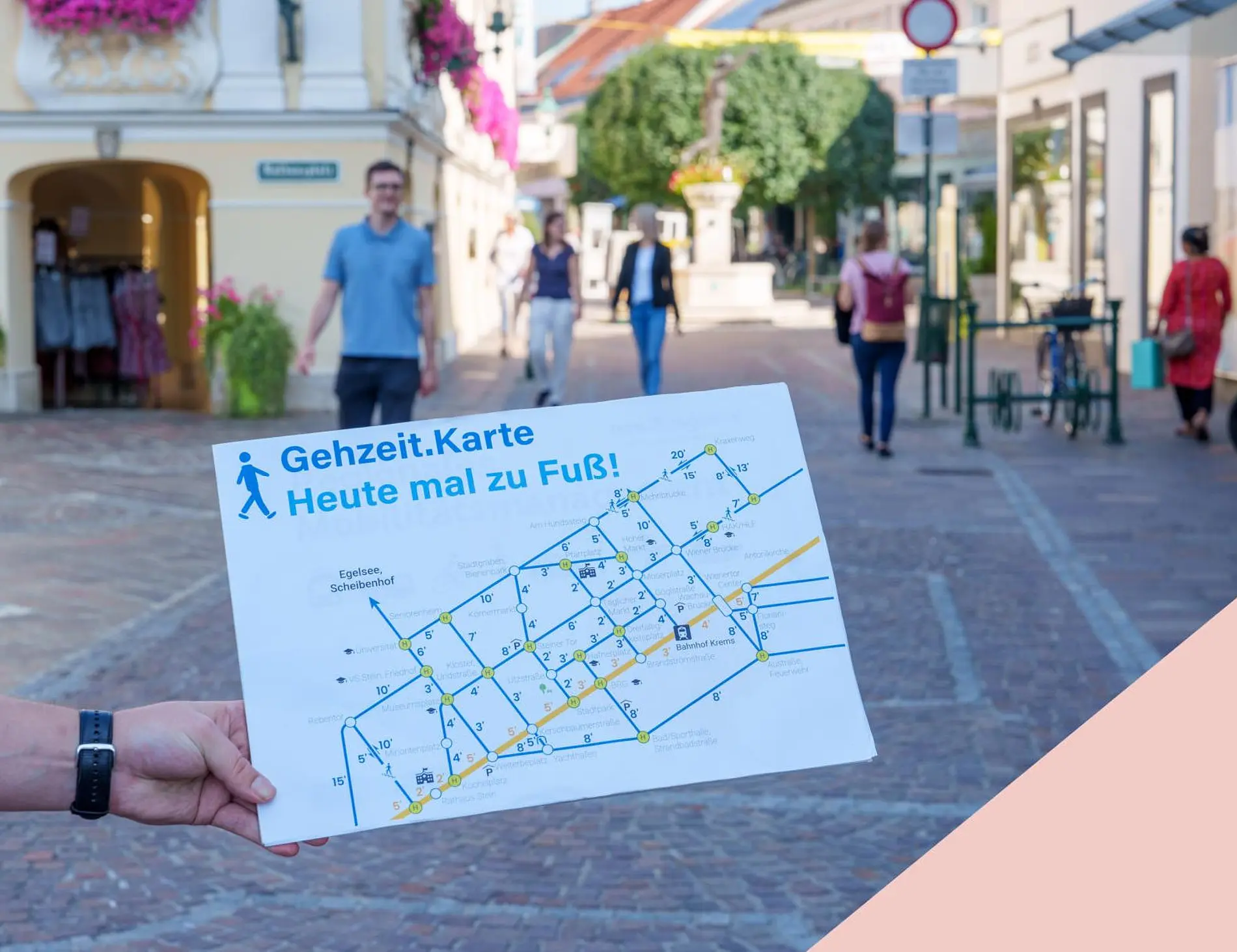
Walking time indicated on map with stops and point of interessted in the Austrian town Krems © Josef Bollwein | NOE Regional

Information and Orientation

Providing clear information, maps, online route planning, booking system, and mobile apps makes it easier for users to combine active and public transport. Learn more
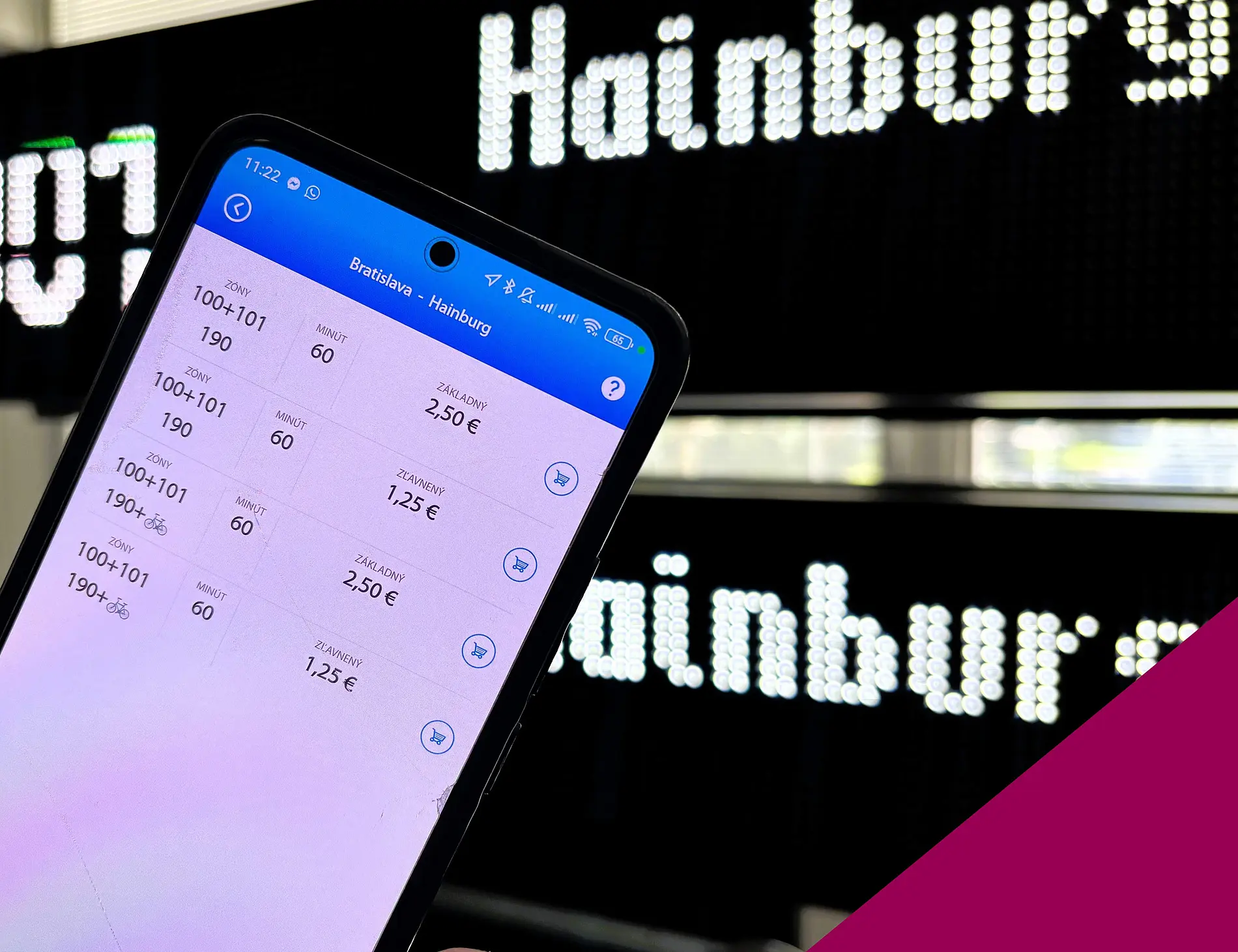
A smartphone screen displays ticket prices for routes between Bratislava and Hainburg, with amounts ranging from 1.25 to 2.50 euros. In the background, an illuminated sign shows the word “Hainburg” in bright white letters. © Šimon Juřík | BID

Ticketing and Fares

Integrated ticketing or flexible fare systems make sustainble travel easier, more affordable and more convenient.
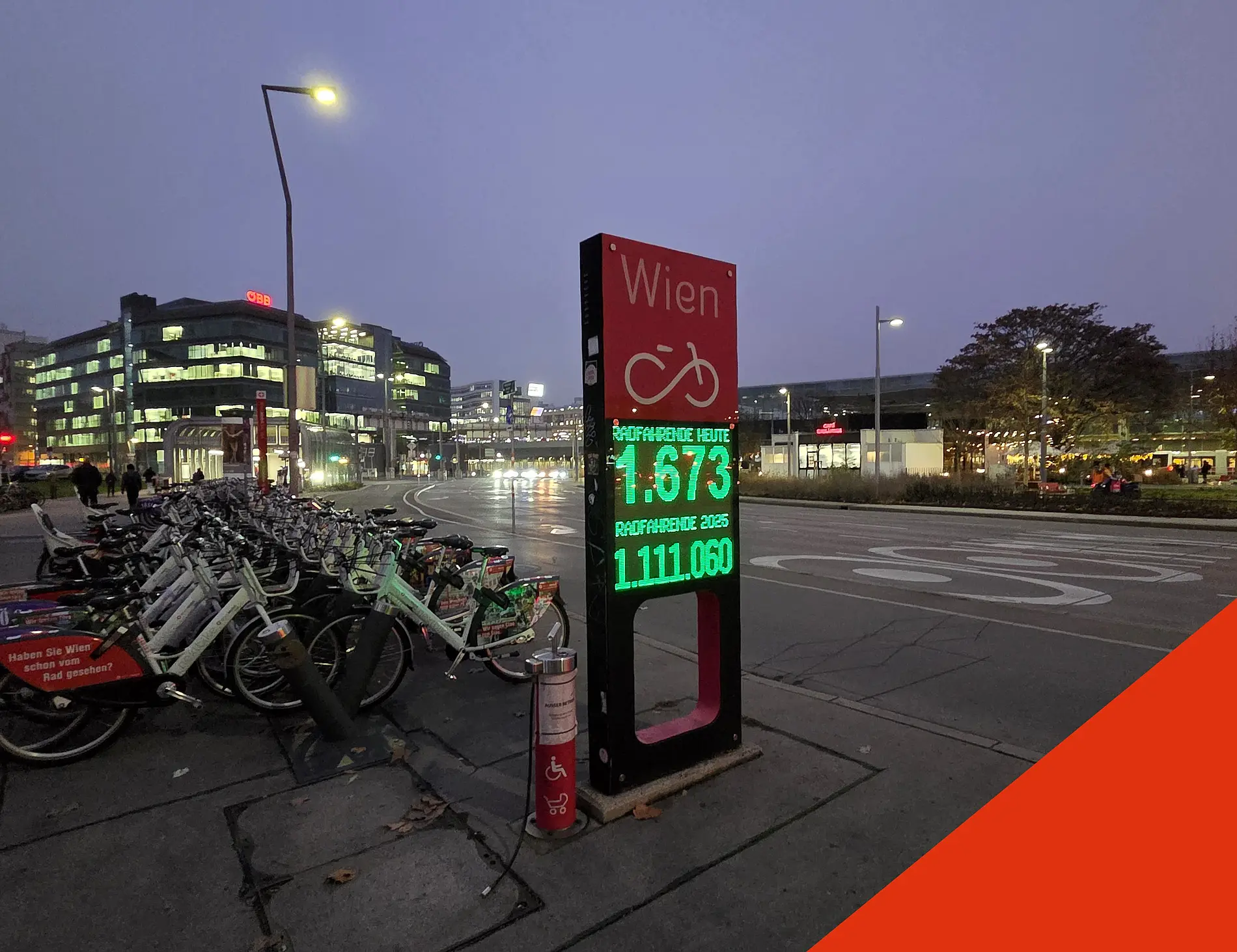
A bike counter display in Vienna shows the number of cyclists today and this year in glowing green digits, next to a row of rental bicycles on a city street. Modern buildings and streetlights are visible in the background during dusk. © Irene Bittner

User Needs and Monitoring

Efficient integration of active and public transport relies on accurate data to understand travel patterns and to optimize the connections between the two modes. Learn more.
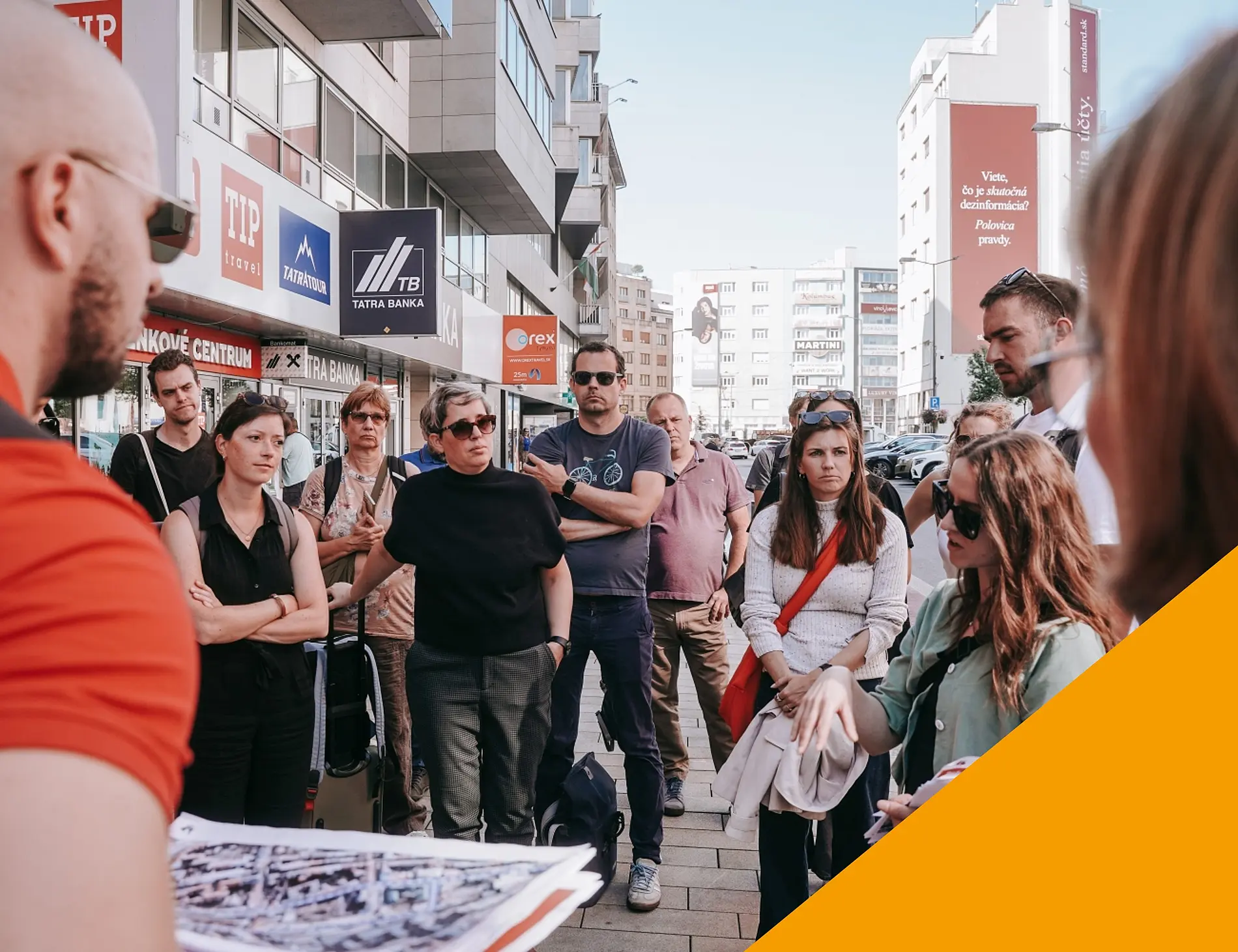
A group of people is gathered on a city sidewalk near modern buildings with large signs, listening to a person in a red shirt holding printed maps or documents. The background shows parked cars, shop signs, and multi-story buildings under a clear sky. © Veronika Vozárová

Cooperation

Effective cooperation between active mobility and public transport stakeholders is essential to create user-centred transport systems.
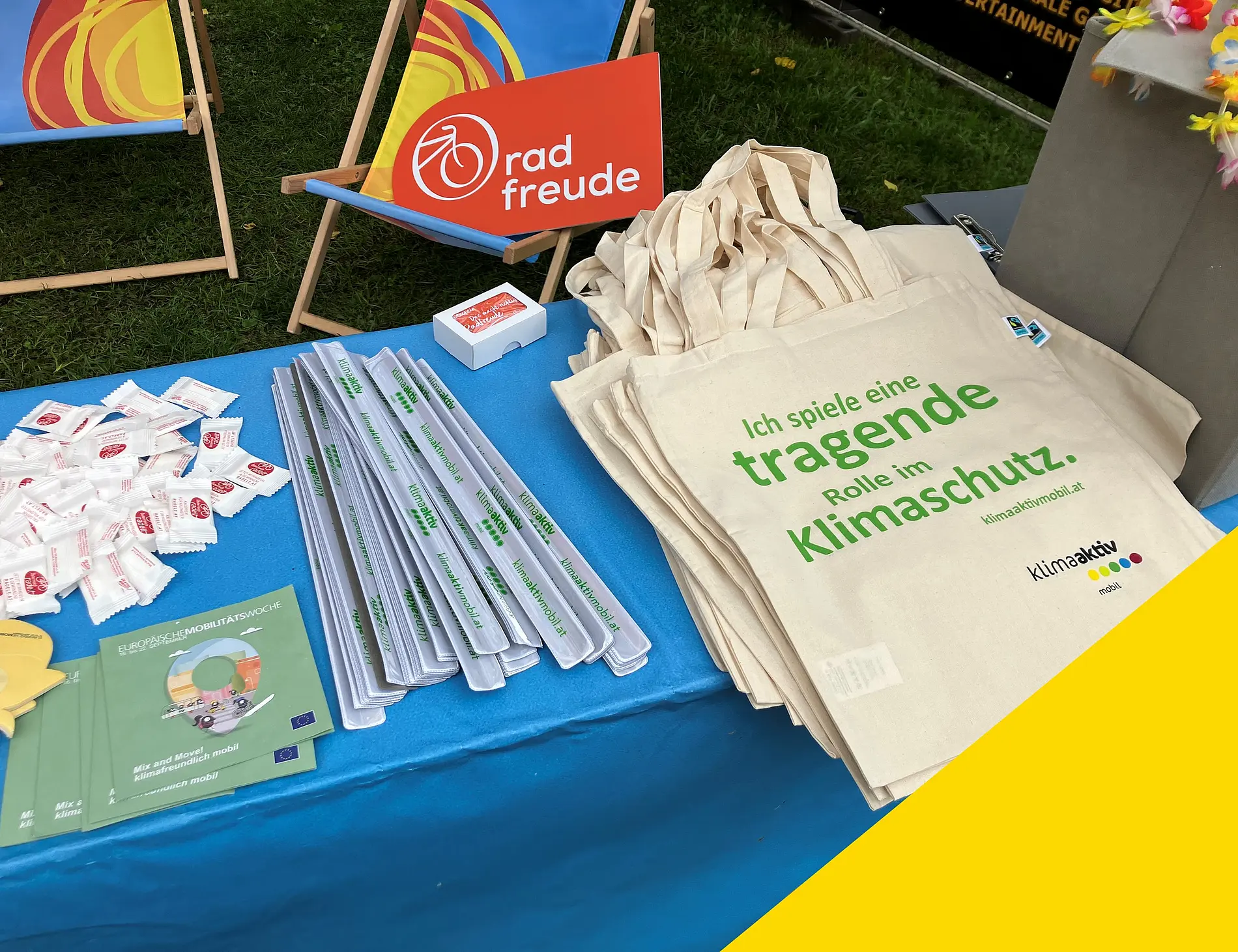
Gifts from the Burgenland Mobility Center for guests. © Mobilitätszentrale Burgenland

Promotion and Campaigns

Campaigns, awareness-raising campaigns and promotions encourage daily commuters to combine active and public transport by highlighting safe routes, convenient services, and clear benefits. Learn more.

Good practice, pilot actions and learnings

The A2PT partnership collected good practices from Europa and globally through research and study visits. Pilot activities within nine regions in Danube region results into deep learnings and complete the picture of the inspriring collection.
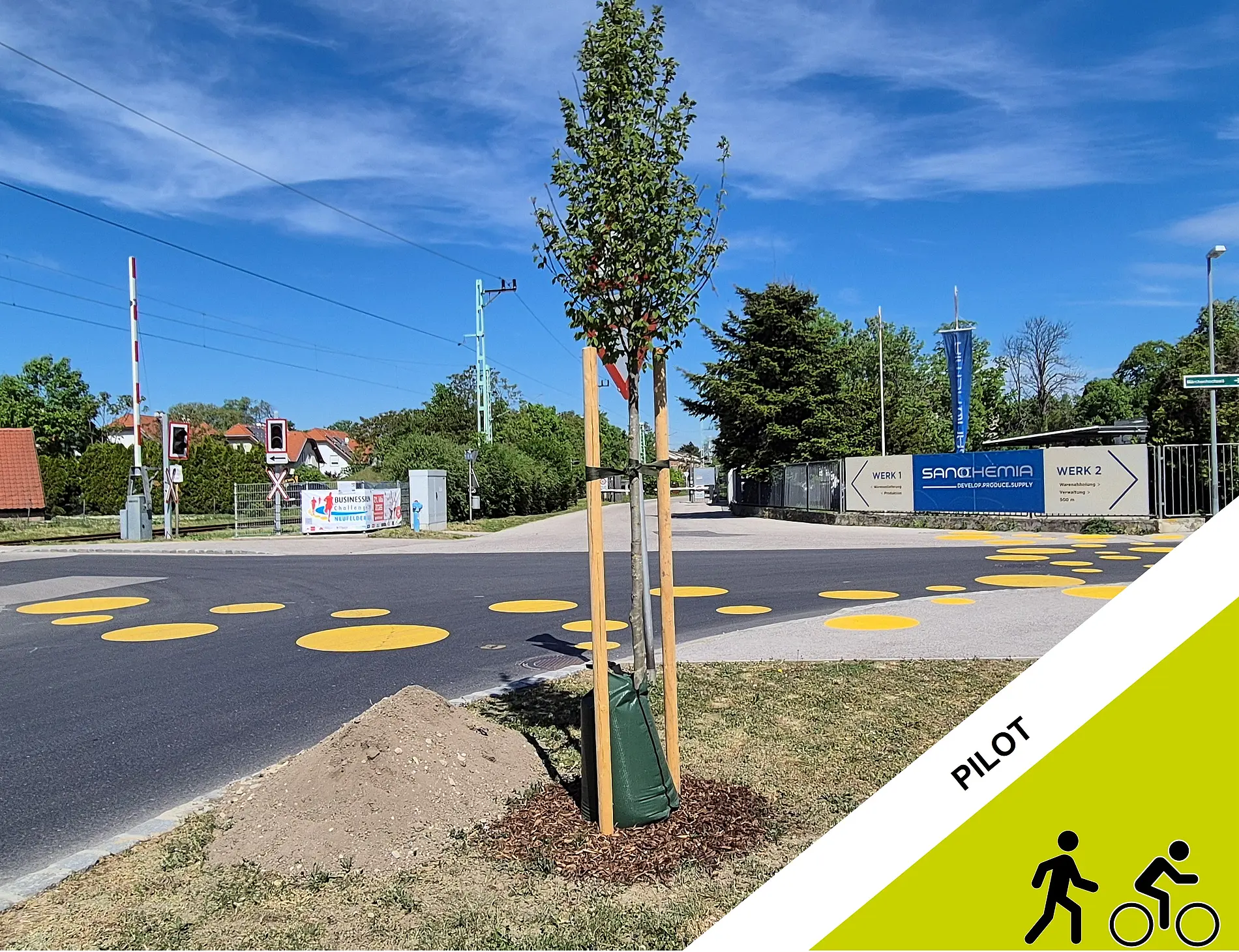
Learn more

© Danube Region Programme

The project Active2Public Transport is supported by the Interreg Danube Region Programme project co-funded by the European Union. The project was initiated by the Austrian Federal Ministry of Innovation, Mobility and Infrastructure (BMIMI), Department II/6 in cooperation with klimaaktiv mobil – the Austrian Federal climate protection initiative on sustainable mobility.